Dependable Vehicle Replacement Parts: Discover Your Perfect Match
Reliable car replacement parts are crucial for vehicle operation and safety. Car owners must first determine their exact needs based on make, model, and year. Quality components, especially OEM parts, are key for a proper fit and compliance with standards. However, the market is flooded with options, making it difficult to choose correctly. Knowing where to get these parts can significantly impact their vehicle's longevity and reliability. What factors should one keep in mind in this decision-making process?
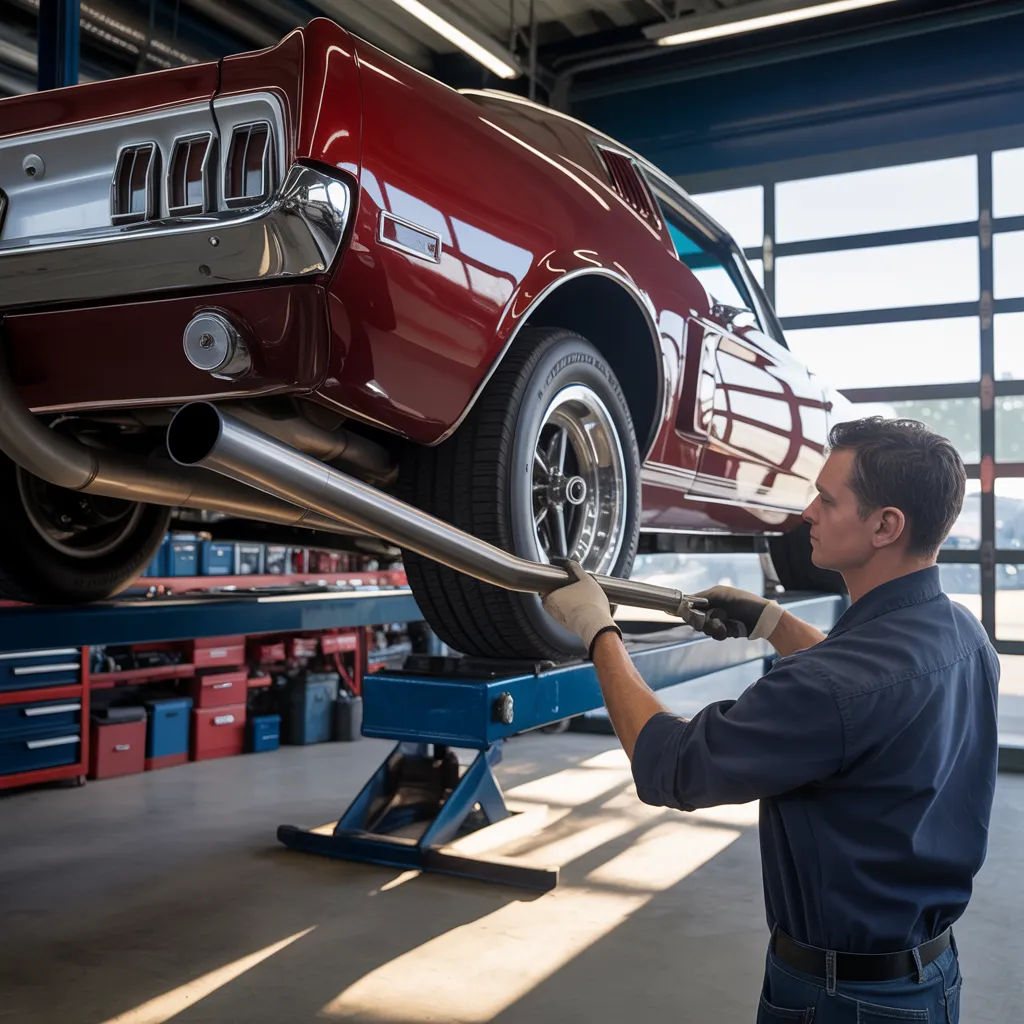
Which Motor Replacement Parts Do You Require?
When considering what vehicle replacement parts are needed, one must assess the specific needs of their vehicle. Different vehicles demand varied parts based on make, model, and year. Typical components that often need replacement include brake pads, batteries, filters, and belts. Regular wear and tear can cause the degradation of these parts, making timely replacement essential for peak performance and safety.
Additionally, understanding the vehicle’s usage plays a important role in deciding which parts to prioritize. For example, a vehicle regularly driven in harsh conditions may require more frequent replacements of certain components. Consulting the owner’s manual can provide useful insights into recommended replacement intervals. Moreover, it is important to evaluate the potential for upgrades or modifications, as these may necessitate specific parts that improve performance or efficiency. By accurately recognizing the necessary parts, vehicle owners can maintain their vehicles effectively and prolong their lifespan.
How to Recognize High Standard in Spare Parts
Assessing standard in replacement parts is fundamental for ensuring vehicle capability and safety. First, it's important to review the substances used in the part; top-quality components usually use durable metals or composites that resist wear and corrosion. Verifying certifications, such as ISO or SAE standards, can also suggest credibility, as reputable manufacturers observe firm guidelines.
Additionally, scrutinizing the condition of the part is necessary—smooth surfaces and even coatings suggest enhanced manufacturing processes. Original Equipment Manufacturer (OEM) parts are often the preferred option, as they match the specifications of the vehicle’s original components.
Furthermore, analyzing the manufacturer's standing gives understanding about the value of their products. User reviews and professional suggestions can reveal potential issues or advantages. By combining these elements, one can properly gauge the quality of replacement parts, which leads to educated buying choices.
Where to Get Premium Auto Parts?
Where can someone buy superior auto parts that warrant reliability and effectiveness? Many reliable sources offer a wide selection of auto parts designed to various needs. Typically, local auto parts stores are the initial stop, giving knowledgeable staff and immediate access to needed components. Chain retailers may also stock a range of products, from basic to high-performance parts.
Online retailers provide an option, featuring extensive inventories and market-leading pricing. Websites focused on auto parts often include user feedback, helping with informed purchasing decisions. Furthermore, manufacturer websites may offer direct access to original equipment parts, assuring authenticity.
For those looking for specialized components, salvage yards can be a treasure trove of cost-effective, used parts that are still in usable state. Ultimately, consumers should emphasize research and confirm the trustworthiness of their selected source to guarantee they are purchasing quality auto parts.
OEM vs. Aftermarket Auto Parts: What to Keep in Mind
Making a decision between Original Equipment Manufacturer and non-original auto parts is important for vehicle owners. Original Equipment Manufacturer (OEM) parts are fabricated by the vehicle’s manufacturer, ensuring a perfect fit and adherence to industry standards. They often feature warranties and are designed to keep the vehicle’s original performance intact. Nonetheless, OEM parts can be more expensive.
Alternatively, replacement parts are created by third-party entities and can vary greatly in quality. While they may provide cost savings, the fit and reliability might not always be on par with OEM parts. It is essential for vehicle owners to reflect on their budget, the exact part required, and the vehicle's warranty terms when making their decision. Researching the reputation of aftermarket manufacturers can also offer insight into potential durability and performance. Ultimately, the selection between documentation OEM and aftermarket parts depends on personal preferences and situations.
Advice for Placing Replacement Parts Like an Expert
When installing replacement parts, equipping yourself with the correct tools is essential for a positive result. A step-by-step installation guide can streamline the procedure and make sure all components are accurately placed. By adhering to these recommendations, anyone can enhance their skills and reach professional-grade results.
Fundamental Equipment You Need
Equipping oneself with the right equipment is essential for a successful auto repair experience. A standard toolkit should include wrenches and sockets in various sizes, allowing for versatile applications. Screwdrivers, both slotted and Phillips, are necessary for removing screws during installations. Pliers and wire cutters assist in gripping and cutting components effectively. A torque wrench ensures that bolts are tightened to manufacturer standards, preventing damage. Additionally, a jack and jack stands are required for safely lifting the vehicle. A multimeter can help diagnose electrical issues, while a funnel and oil catch pan make fluid changes neater and easier. Having these essential items on hand not only streamlines the repair process but also improves the overall quality of the installation.
Step-by-Step Installation Guide
Replacing parts can be a easy task with the correct approach. First, check that all necessary tools and parts are collected to reduce interruptions. Start by reviewing the vehicle's manual for precise instructions about the part being replaced. Then, disconnect the battery to guarantee safety during the installation. Remove the old part carefully, paying attention to its installation. When fitting the new part, align it correctly and fasten it according to manufacturer guidelines. Afterward, reconnect the battery and perform a functionality test. Finally, dispose of the old part properly. By following these steps, you not only ensure a successful installation but also improve the vehicle's longevity and performance.
Ways to Look After Your Vehicle After Switching Parts
After updating parts, servicing a car is important to maintain its lifespan and functionality. Regular inspections are essential; vehicle owners should check the recently fitted components for signs of wear or incorrect positioning. Routine oil changes support optimal engine function, and maintaining proper fluid levels avoids overheating and problems.
Consistent wheel care including rotation and pressure checks guarantees even wear and improves handling. Additionally, sticking to the manufacturer’s recommended maintenance schedule helps in identifying potential problems early.
Driving patterns also play a role; forceful acceleration and abrupt braking can strain new parts. Keeping the vehicle tidy helps prevent rust and corrosion, especially in areas where new components were installed.
In conclusion, saving records of all replacements and maintenance undertakings helps tracking the vehicle’s health over time, assuring it remains in peak condition. By following these guidelines, vehicle owners can optimize the benefits of their recent parts replacements.
Commonly Asked Inquiries
How do I verify a parts warranty before purchase?
Before buying, verifying a parts warranty involves reviewing the manufacturer’s records, checking online guides, and asking the retailer. Also, validating warranty terms directly with customer service provides additional assurance.
Which devices must I have to replace vehicle parts
To replace auto parts, a person generally requires basic tools such as wrenches, sockets, screwdrivers, pliers, and a jack. Extra tools like torque wrenches and a multimeter may be necessary for specific operations.
What are the frequent indications of faulty replacement parts?
Common signs of improper replacement parts comprise irregular noises, vibrations, warning lights, decreased performance, fluid leaks, and premature wear. These indicators usually suggest that the installed components are not acting as supposed, requiring quick attention.
What are the best ways to recycle used auto parts responsibly?
To discard old auto parts carefully, people should find out about local recycling centers, join automotive waste collection programs, or bring parts back to retailers who offer recycling services, ensuring environmental safety and compliance with regulations.
What Should I Do if a Component Is Defective?
If a part is faulty, the person should contact the supplier for a refund or exchange. Record the issue and adhere to any specific warranty instructions provided, making sure of proper settlement and minimising possible disruption to their vehicle’s functioning.